
Bronnen
Neem contact met ons opWholesale Picnic Mat Sizes: Build a Range
-
 auteur
- 19 november 2026
Two picnic mats called “large” can leave a retailer with an awkward choice: stock both, or guess which one customers mean. A wholesale range needs a clearer size story. Each footprint should solve a recognizable space problem, and the step to the next size should be easy to explain. Then carrying bulk and stock commitment can be judged against that benefit.
The Size Ladder Needs Distinct Uses
A compact, core, and large arrangement is a useful planning option. Give the compact mat a modest carrying brief, the core mat a common shared-use brief, and the larger mat a clear reason for extra surface. The names are yours to define; they don’t carry standard dimensions or an automatic person count.
The retail setting gives the size ladder a purpose. A family shop could build its core offer around room for people and their picnic belongings; a travel shop might place more weight on a small carry pack. Treat these as assortment briefs to discuss with the channel. Neither brief calls for every dimension the factory can make.
A tiny size step can be hard to sell. Imagine a retailer putting two open samples side by side: what extra activity becomes possible on the larger one? If the answer is unclear, the second size needs a stronger case before it receives stock. A different pattern may justify another design, but it does not explain another footprint.
Open Area Is Useful but Incomplete
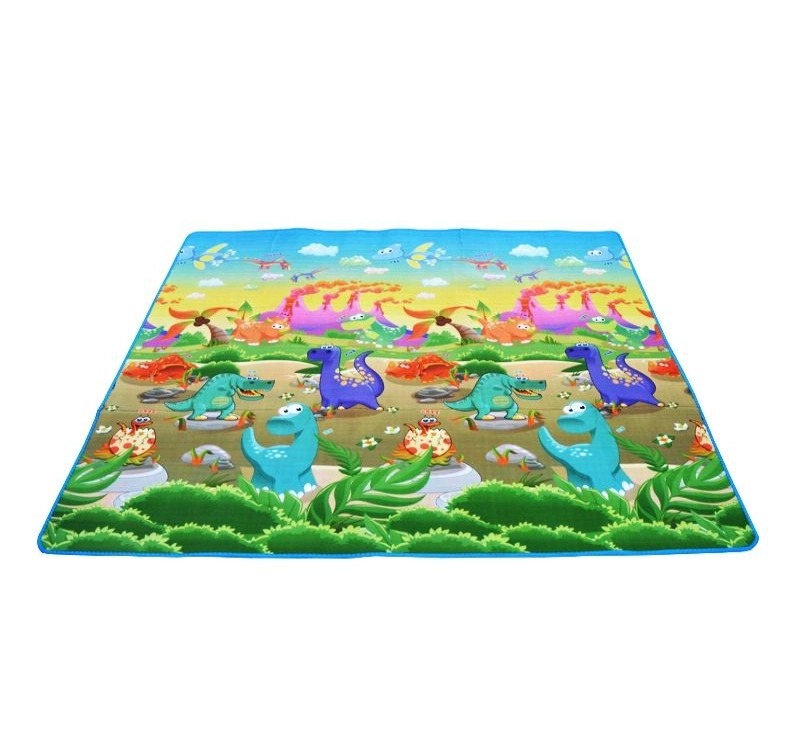
Square meters help compare footprints, provided the shape stays visible. Multiply length by width using meters for both measurements, and keep the original dimensions on the range chart. Two rectangles with equal area can have quite different proportions. A buyer laying out food and seating needs to see the width as well as the total.
A Verified Reference Footprint
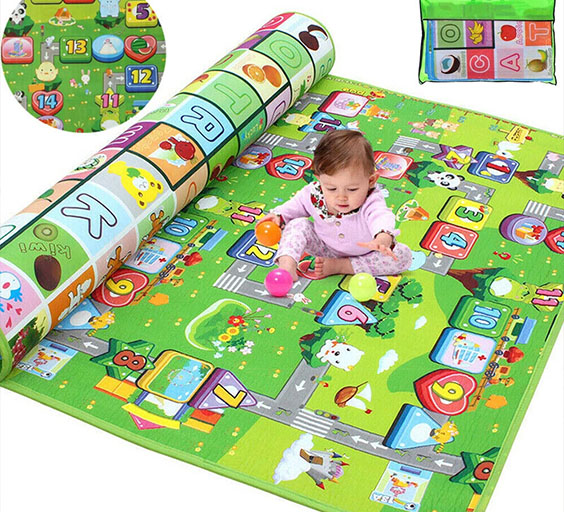
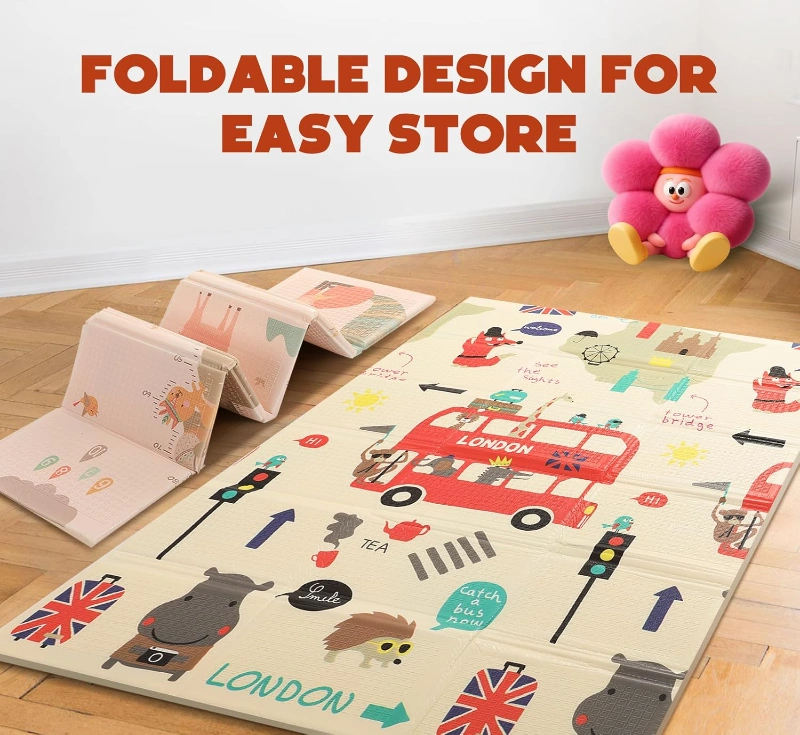
The range discussion becomes more useful with an actual footprint on the table. WEITIAN PACKING has a picnic mat configuration of 180 × 120 cm at 0.5 cm nominal thickness. Its rectangular area works out to 2.16 m². Use that as one identified reference configuration, not as a dimension assigned to every picnic or outdoor mat.
Buyers considering picnic mat options for a wholesale range should verify the chosen SKU before assigning a size label. A product family can contain different constructions, and a broad “large mat” description is not a purchase specification.
Space for People and Belongings
Belongings compete with people for the same surface. Draw a proposed layout on the actual footprint, leaving room for the intended food containers, bags, or toys. That exercise gives a retailer something specific to evaluate. The multiplication alone cannot tell you whether a particular group will find the arrangement comfortable.
Capacity language should therefore be qualified by a demonstrated arrangement. If a retailer wants “family size” or a person count on the pack, validate the layout with the actual mat and the intended use. Avoid turning nominal area into a universal comfort guarantee.
|
Range Role |
Main Size Question |
Secondary Check |
|---|---|---|
|
Compact |
Is the footprint sufficient for the stated short outing? |
Carrying and quick storage |
|
Core |
Does the surface suit the channel’s common shared use? |
Clear reference dimensions |
|
Large |
Does the extra surface solve a visible space need? |
Packed bulk and shelf fit |
|
Specialist option |
Is there a distinct use the core sizes miss? |
Enough demand to justify a SKU |
Packed Size Belongs Beside Open Size
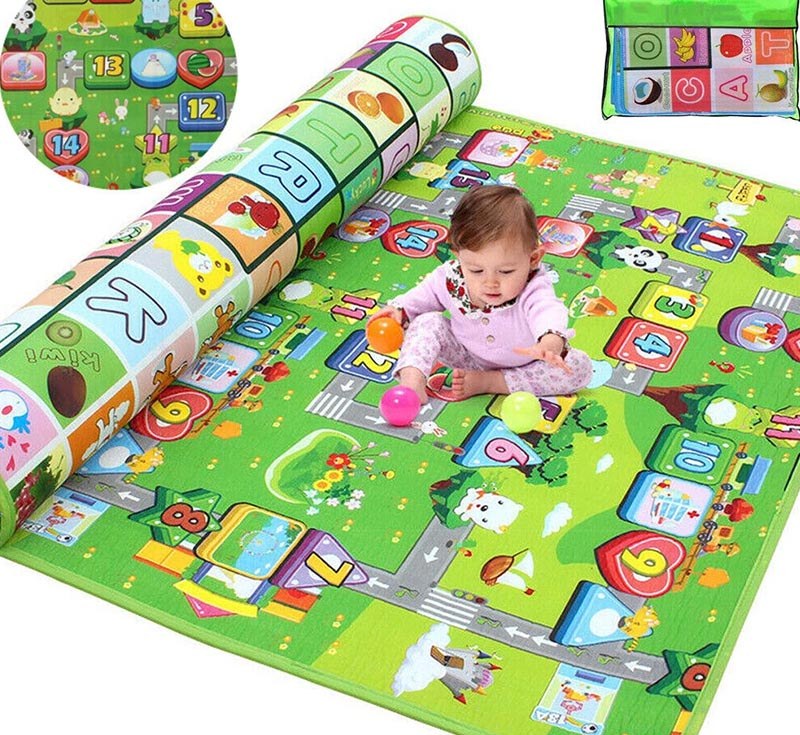
An open sample answers the space question; a closed sample answers the carrying question. Ask to handle both. Fold pattern, material construction, thickness, and accessories all enter the packed form, so a larger footprint does not give you a reliable packed dimension by itself. Measure the version that would actually be ordered.
A carry bag can be relevant to the range role without changing the mat’s area. For a baby picnic mat with a carry bag, buyers should check the selected accessory and packed configuration. The bag’s inclusion, dimensions, and presentation belong to the exact order, not an assumption applied to every size.
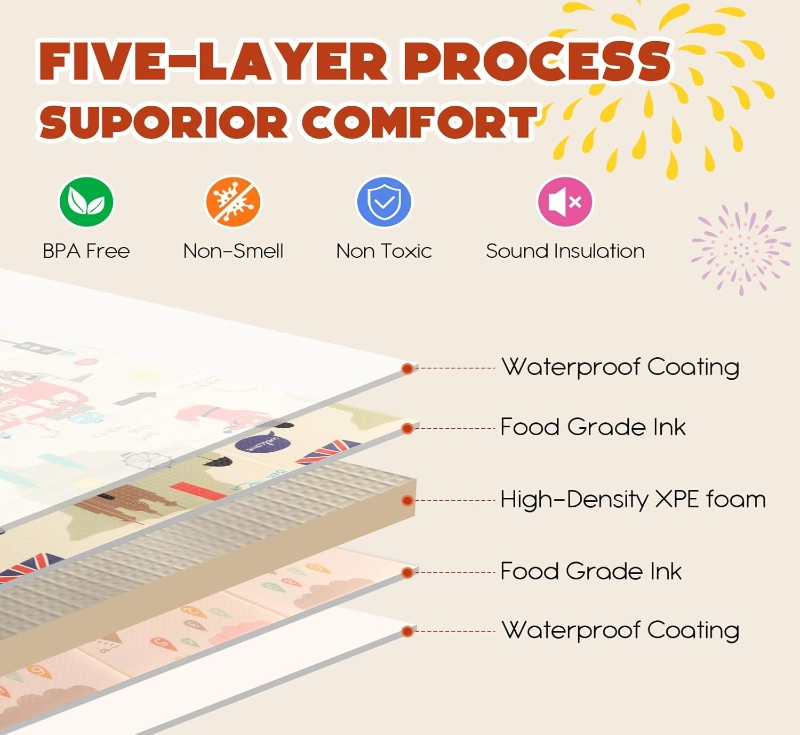
“Extra large” is a size label, not a thickness specification. Give thickness and material their own columns, even where several sizes share them. A sales representative should be able to explain exactly what changes at the next price point: more surface, a different construction, or both. Keeping those choices separate also makes replenishment less ambiguous.
A Range Matrix That Merchandisers Can Use
Missing dimensions should remain visible in the assortment chart. Give every SKU a row with its role, footprint, area, construction, thickness, stored form, and intended channel. Put “awaiting sample measurement” in an unfinished field. That tells the buyer what still needs doing; borrowing a figure from a neighboring product hides the unfinished work.
A size name needs a stable meaning inside the assortment. If “Large” means one footprint in the core line and another in a different construction, make that distinction prominent. Ask merchandising and receiving staff to review the names together. The pattern selected for a seasonal order should not quietly change what an existing size label promises.
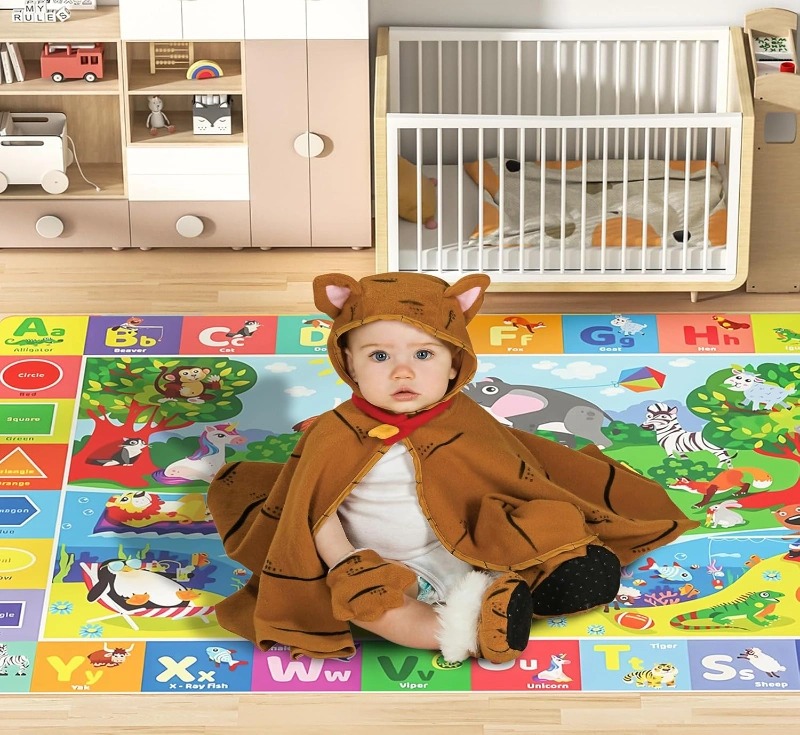
The size line should do the measuring work in the listing. Show length and width in a fixed order, with units attached; check rounded inch equivalents if needed. Use the lifestyle image to explain the occasion. A shopper should not have to estimate the footprint from a chair or basket placed beside the mat.
The following checks keep the size story readable:
Give each SKU a distinct use and range role.
Display both open dimensions in the same unit order.
Show area as a comparison aid, with no invented seating guarantee.
Separate material and thickness from size naming.
Confirm folded or rolled dimensions and the carry method.
Match size names and dimensions across the listing, label, and purchase order.
Inventory Depth Matters as Much as Size Choice
Another size creates another stock decision. Before giving it depth, identify the use that the current range misses and consider whether sales would shift from an existing SKU. For a seasonal assortment, review the timing too: an extra option may leave less stock behind the core size when replenishment matters most. Base the quantity on the channel’s plan, not the appeal of a fuller chart.
Customer feedback needs to be read alongside the promise made in the listing. “We needed more room” could mean a missing larger size, or a picture and caption that suggested too much capacity. Check the wording before adding stock. Returns and sell-through by SKU can then help distinguish a range gap from a communication problem.
An outdoor play style is another option to evaluate on its own merits. Put a foldable waterproof play mat for outings in a separate comparison row with its own verified construction and dimensions. Do not fill that row using the picnic reference merely because both products can accompany an outing.
A Size Range Buyers Can Explain
A useful size ladder gives the buyer a reason for every step. Show the verified open footprint, demonstrate the intended space use, and put the carrying form beside it. Where two options still tell the same story, reconsider the duplication. Add a size when the channel can name the gap and support the stock commitment.
For the next assortment discussion with WEITIAN PACKING, discuss your picnic mat range using the proposed size roles and the channel you want to serve.
Veelgestelde vragen
What Is the Best Large Picnic Mat Size for Wholesale?
A wholesale “large” should fit a defined use in that retailer’s range. Use a sample layout and packed measurement to judge it; the label by itself supplies no dimension.
How Much Area Does a 180 × 120 cm Mat Provide?
The rectangle is 2.16 m²: 1.8 m multiplied by 1.2 m. That is surface area, not a promise about seating capacity once food and belongings are added.
Can Size Alone Establish How Many People Fit?
No. Seating position and belongings change the result. Validate a representative arrangement before using a person-count claim.
Should a Wholesale Chart Include Packed Dimensions?
Yes. Open size explains surface coverage; packed dimensions and carrying method explain storage and portability. Both help buyers compare the range.
How Many Sizes Should a New Range Carry?
Count the jobs the assortment must cover, then assign sizes to them. Where two sizes do the same job, resolve that overlap before deciding launch quantities.

Onze producten
Onze producten
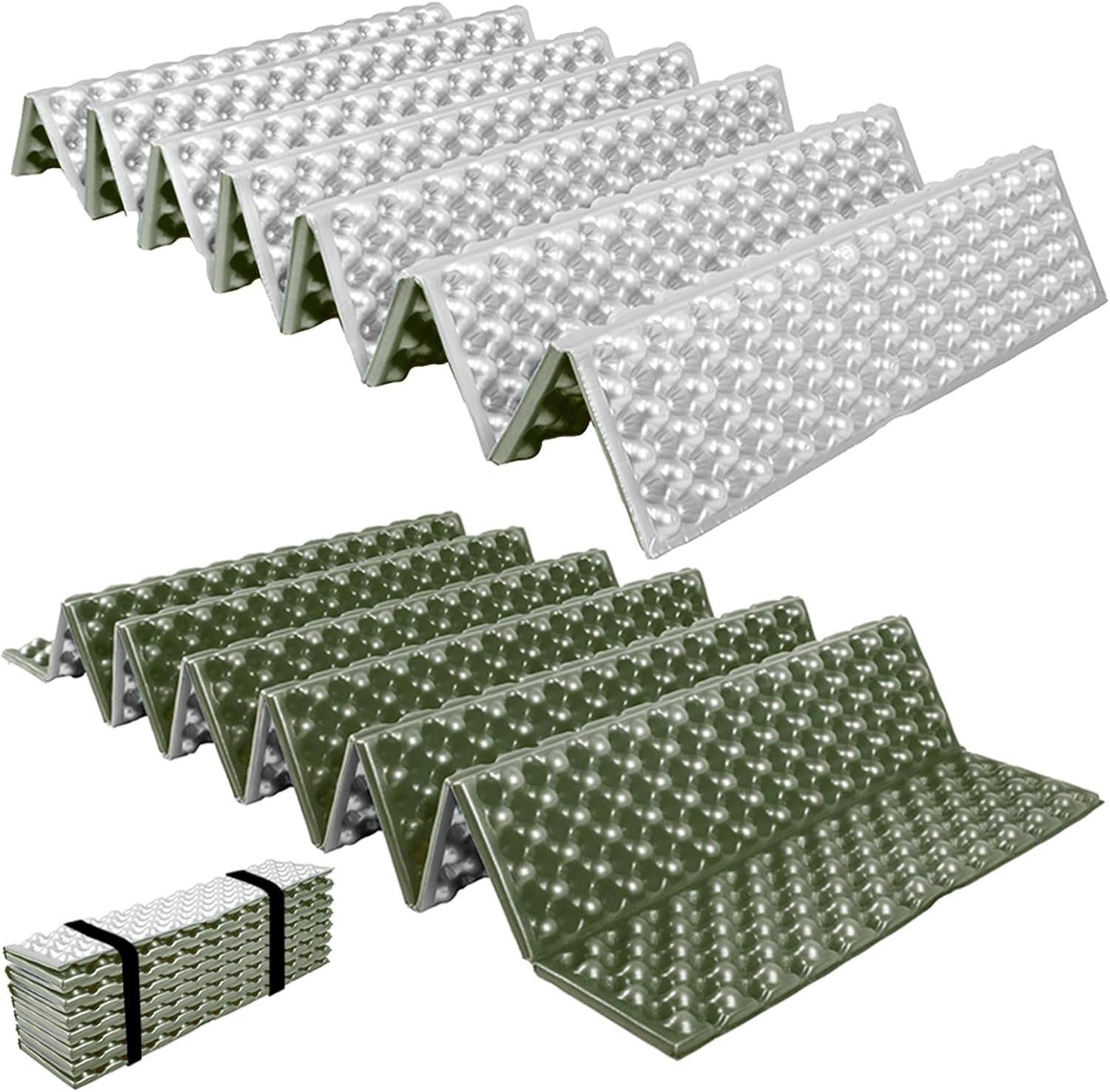
Opgevouwen formaat: 56 x 13 x 14 cm; uitgeklapt formaat: 183 x 56 x 18 cm; gewicht: 0,4 kg.
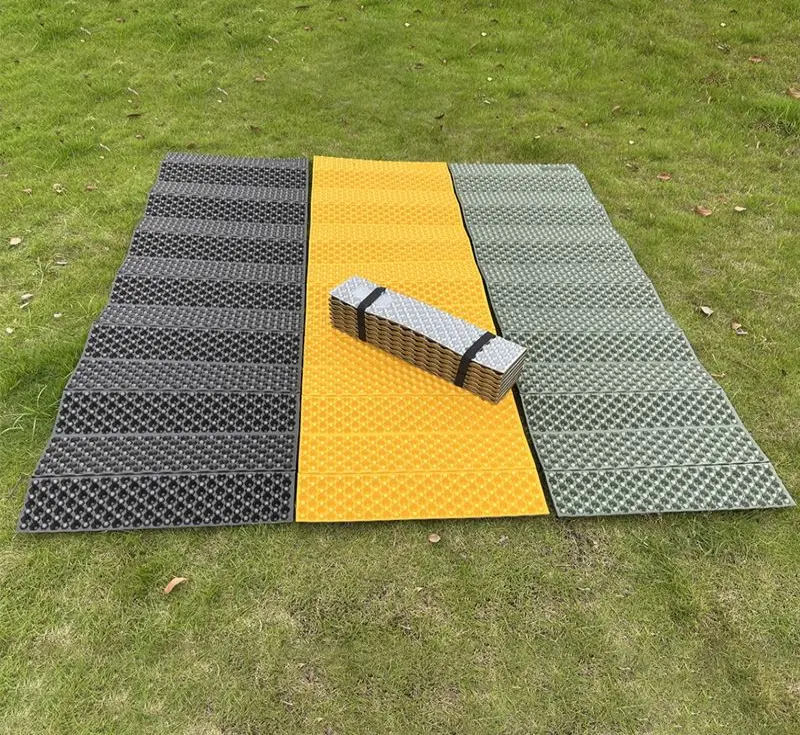
【Uitstekend materiaal】Dit draagbare slaapmatje is gemaakt van lichtgewicht IXPE-schuim waarop u comfortabel kunt liggen. Het slaapmatje van gesloten celschuim biedt ergonomische ondersteuning aan al uw drukpunten, waardoor u de hele nacht optimale ondersteuning en comfort ervaart, ongeacht uw slaaphouding.
【Gebruiksmogelijkheden】Deze vochtwerende mat beschermt je lichaam tegen vocht tijdens lange kampeertochten in de buitenlucht. Je kunt hem gebruiken als zitkussen of hangmat in een tent, en hij beschermt ook opblaasbare matrassen.

onze getuigenissen
Wat ze zeggen over ons

“Super patiënt tijdens de communicatie – efficiënt en professioneel. Deze samenwerking was zo moeiteloos!”

“Zowel kwaliteit als service overtroffen de verwachtingen. De details zijn op punt - ik zal het zeker aan vrienden aanbevelen!”

“Op tijd geleverd, en het product overeenkomde met elk detail dat we besproken hebben. Volledig tevreden!”