
Ressourcen
Kontaktieren Sie uns3D Brick Foam Wall Stickers for Fast Renovations
-
 Autor
Autor
- 01 September 2026
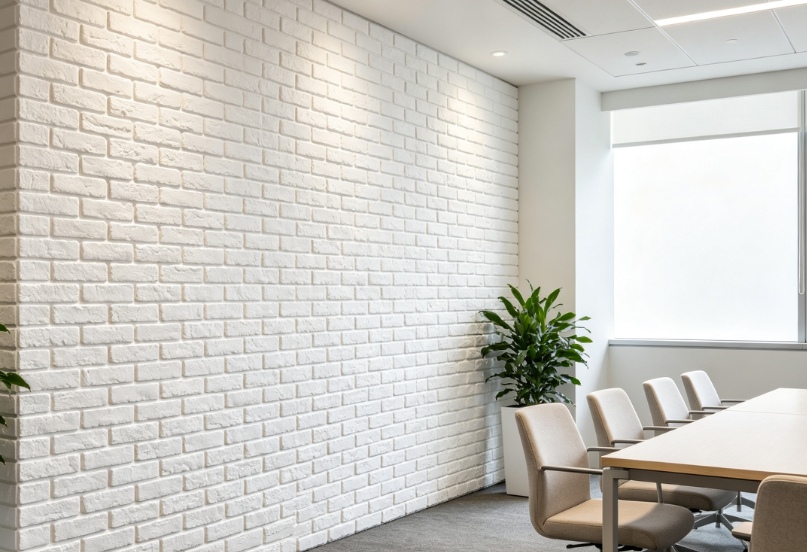
Distributors, renovation retailers, and project buyers often need a wall-finish format that changes a tired room without dust or drying time. 3D brick foam wall stickers can serve that need when the substrate, pattern layout, and surface claims stay realistic. This guide explains where the format fits, what installers should prepare, and which details help a wholesale line stay consistent.
Why 3D brick foam stickers fit fast renovation work
3D brick wall stickers create a raised brick look with soft PE foam and a self-adhesive backing. The format can be used on wood panel walls, drywall, cement, concrete, sofa backgrounds, bedrooms, and children’s rooms when the surface is clean, dry, and suitable for adhesion. A lightweight decorative panel is easier to handle, display, and explain than a masonry-style renovation method.
The product is best understood as a finish-refresh material, not a repair system. It can visually cover a tired, dirty, or dated surface, but loose paint, active damp, deep cracks, and unstable plaster still need attention before installation. That distinction keeps customer expectations realistic and helps distributors avoid returns caused by a poor substrate.
Surface problems they can help cover
Brick-pattern foam stickers are useful when a project needs a visible style change more than structural rebuilding. They can create a feature wall, refresh a sofa or TV background, or give a bedroom or children’s room a softer textured finish. The material should still be protected from sharp tools and rough impact.
Where the format works best
- Feature walls in living rooms, bedrooms, and TV or sofa backgrounds.
- Rental refresh projects where a removable decorative option is useful.
- Children’s rooms and display areas that benefit from a soft textured finish.
- Retail, hospitality, or office accents where lightweight installation supports faster visual updates.
Installation quality depends on the wall beneath
The main selling point of self adhesive brick wallpaper is the simpler application path, but peel-and-stick does not mean surface-free. A clean, dry, reasonably smooth wall gives the adhesive a stable contact area. A dusty, greasy, wet, or heavily uneven substrate can create bubbles, lifting edges, or visible pattern distortion even when the panel itself is sound.
Surface preparation
Surface preparation should happen before any panel is opened. Remove dust, oil, loose residue, and water stains, then allow the wall to dry completely. Peeling paint and weak plaster should be removed or repaired. Deep pits and active damp should not be hidden under a decorative sticker because the underlying movement or moisture can shorten adhesion life and make the finished wall look uneven.
Cutting, alignment, and pressure
Installation accuracy depends on dry-fitting the layout before removing the backing paper. Check the brick direction, decide where seams will fall, and cut straight lines with a suitable blade. Apply each panel from one side toward the other, pressing the surface as the backing is removed. Firm pressure at edges and joins helps the pattern read as one wall instead of a group of separate pieces.
| Surface check | What to verify | Why it matters |
| Clean and dry | Remove dust, oil, loose residue, and water | Supports stronger initial adhesion |
| Flat enough | Repair peeling paint, deep pits, and active damp | Reduces bubbles and edge lifting |
| Pattern direction | Dry-lay panels before removing backing | Keeps the brick rhythm consistent |
| Edges and seams | Cut straight and press both sides firmly | Creates a cleaner visual join |

Product details that affect wholesale consistency
A distributor comparing foam brick wallpaper should treat construction, dimensions, color, removability, and packaging as SKU-level information rather than broad category claims. The documented brick-style product uses soft PE foam, a self-adhesive back, and a 70 x 77 cm white panel format. It is described as easy to cut, removable, and suitable for several indoor wall and background applications. Samples should confirm the actual texture, backing release, edge finish, and color before a larger assortment is listed.
Construction and finish
The foam layer creates the raised visual effect that separates a brick wall sticker from flat printed wallpaper. That relief improves the decorative impression, but it also makes alignment more visible: a crooked first row can affect the look of the entire wall. Product descriptions should therefore pair the design benefit with clear installation notes instead of promising that the material will hide every wall defect.
Packaging and replenishment
Wholesale consistency comes from keeping each SKU’s physical details together. Record panel size, color, surface pattern, substrate guidance, pack format, and removal limitations in one product record. When the line expands, compare batches for foam thickness, print alignment, adhesive release, and edge trimming so sales teams and installers describe the same product consistently.

Claims that keep the product easy to sell
The strongest claims are the ones a customer can see or verify: self-adhesive installation, soft PE foam construction, a raised brick appearance, easy cutting and trimming, wipe-clean surface care, and removal where the substrate allows it. Waterproof or moisture-resistant wording should remain tied to the specific SKU and use environment. Direct wet areas, high steam, and poorly sealed walls require separate confirmation rather than a blanket promise.
Distributors should avoid turning a decorative foam panel into an untested acoustic, fire-safety, or structural product. Questions about sound reduction, flame performance, or long-term outdoor use require product-specific test evidence. Clear boundaries protect the project while keeping genuine visual and handling benefits easy to understand.
Summary: A practical fit for fast wall refreshes
3D brick foam wall stickers fit fast renovation programs when the wall is properly prepared, the pattern is aligned before sticking, and the product is sold with SKU-level claims. The format works best as a lightweight decorative finish for indoor feature walls, room refreshes, and selected commercial accents. Weitian can support a wholesale range when buyers need product samples, application guidance, and consistent technical details before listing the line.
FAQ (häufig gestellte Fragen)
Can 3D brick foam wall stickers go on uneven walls?
They are intended for clean, dry, and reasonably smooth surfaces. Minor visual imperfections may be covered, but deep pits, loose paint, active damp, and unstable plaster should be repaired first.
Are peel and stick brick wallpaper panels reusable?
The product is described as removable, but removal and reuse depend on the wall finish, installation pressure, and adhesive condition. It is safer to present removability as a project-dependent feature rather than promise repeated reuse.
Are brick-pattern foam stickers suitable for bathrooms?
Moisture-resistant surface performance can help in selected indoor areas, but direct wet zones and high-steam locations need product-specific confirmation. A dry, stable substrate remains essential.
How should distributors list the panel size?
List the actual panel dimensions, color, pattern, substrate guidance, pack format, and any removal notes together. For the documented white brick panel, the listed size is 70 x 77 cm; confirm each SKU before publication.
What makes brick wallpaper for walls different from flat wallpaper?
The foam construction gives the surface a raised brick texture and a softer touch. It can be easier to cut and handle than hard tile, but the relief makes seam alignment and protection from sharp objects more important.

Unsere Produkte
Unsere Produkte
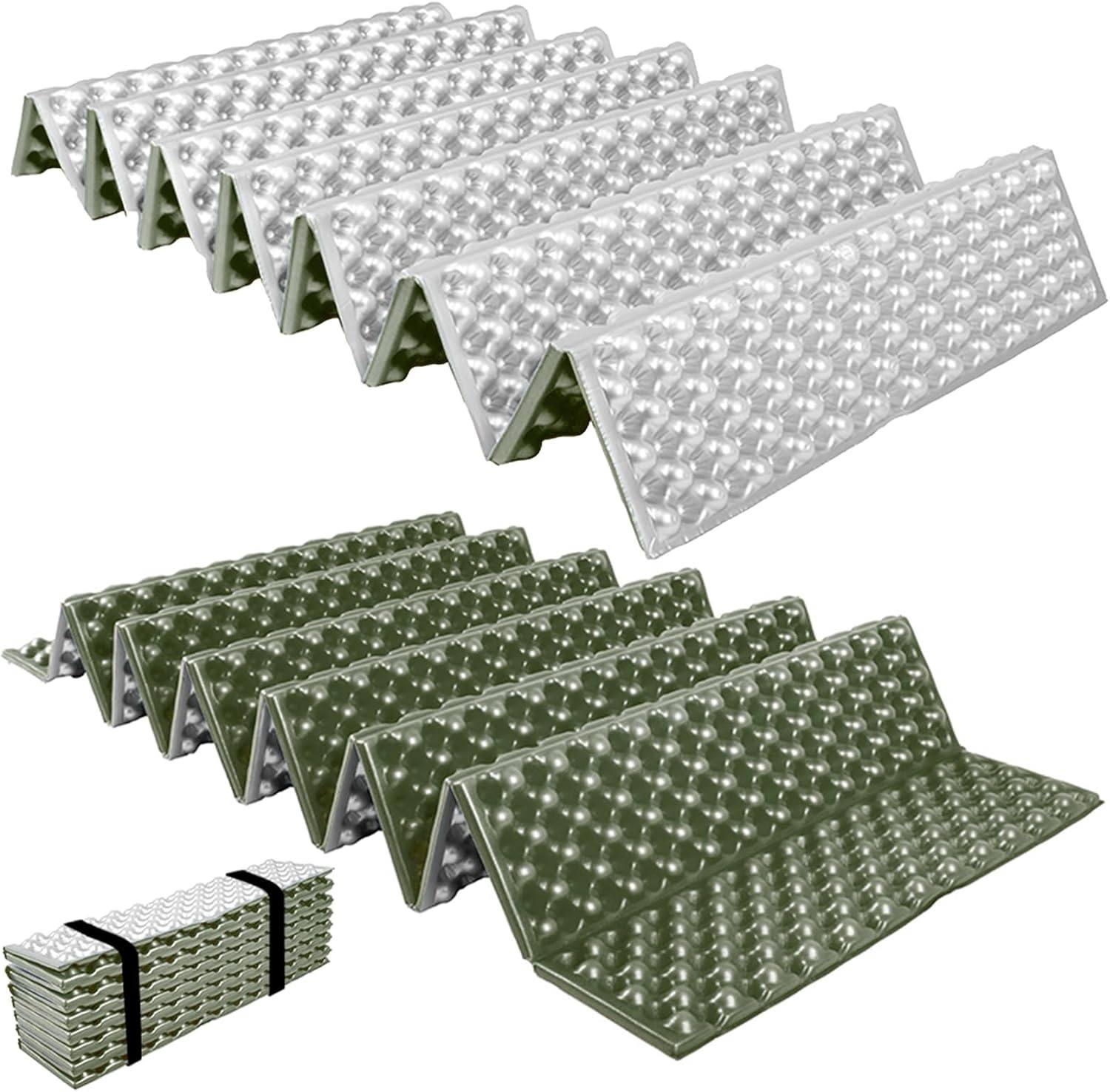
Zusammengeklappte Maße: 22"*5"*5,5"; geöffnete Maße: 72"*22"*0,71" Gewicht: 0,4 kg.
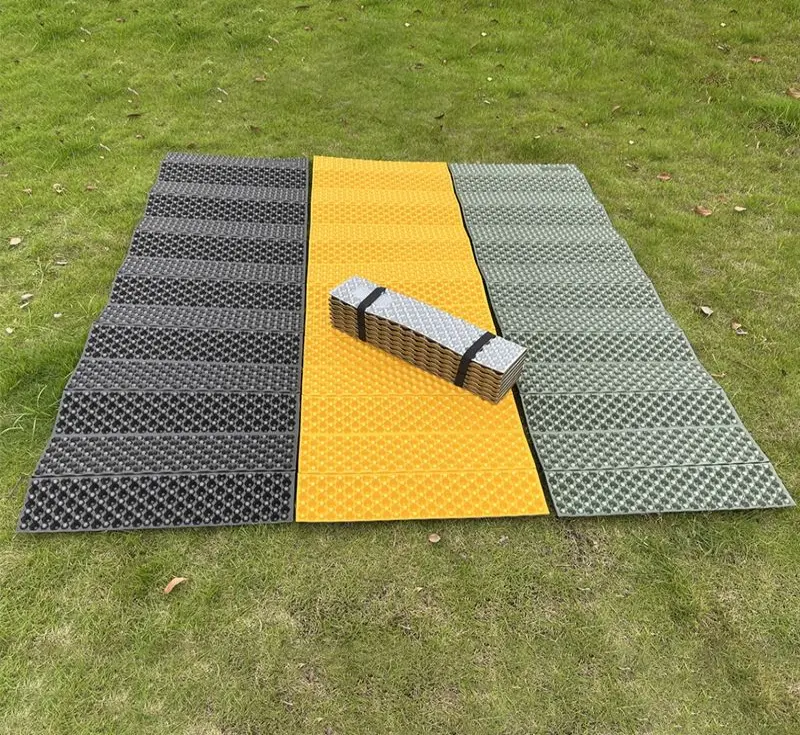
【Hochwertiges Material】Diese tragbare Isomatte besteht aus leichtem IXPE-Schaumstoff und bietet hohen Liegekomfort. Der geschlossenzellige Schaumstoff stützt ergonomisch alle Druckpunkte und sorgt so für optimalen Halt und Komfort die ganze Nacht hindurch, egal in welcher Schlafposition Sie sich befinden.
【Anwendungsbereich】Diese feuchtigkeitsbeständige Matte schützt Ihren Körper vor Nässe bei längeren Campingausflügen im Freien. Sie kann als Sitzunterlage, in Hängematten oder Zelten verwendet werden und schützt auch aufblasbare Matratzen.

unsere Testimonials
Was sie über uns sagen

„Super geduldig während der Kommunikation – effizient und professionell. Diese Zusammenarbeit war so problemlos!”

„Sowohl Qualität als auch Service übertrafen die Erwartungen. Die Details sind auf dem Punkt – ich werde es Freunden auf jeden Fall empfehlen!“

„Genau pünktlich geliefert, und das Produkt passte zu jedem Detail, das wir besprochen haben. Vollständig zufrieden!”