
Ressourcen
Kontaktieren Sie unsPicnic Mat Materials for Wholesale Buyers
-
 Autor
- 13 Oktober 2026
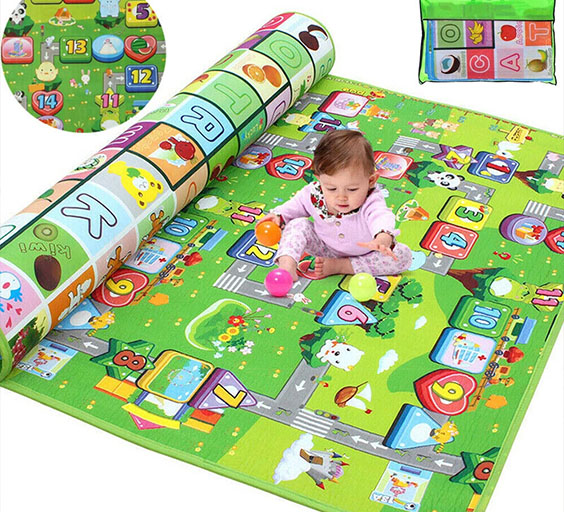
Two picnic mats can have the same cheerful pattern and feel quite different on the ground. The difference is often underneath: the foam core, the surface film and the backing work together. For outdoor product distributors, understanding those layers makes it easier to select a coherent range and explain why one mat suits a particular use better than another.
The layers answer different questions
A picnic mat should be considered as a complete construction. The upper surface is where people sit and where food or drink may spill. The core provides the cushioned feel. The underside is the part placed against the ground. A material name that describes only the core leaves the other two surfaces unexplained.
The printed surface is also part of the user experience. A smooth film can be assessed with a simple wiping demonstration, while a fabric finish needs its own care guidance. Neither appearance nor a photograph is enough to establish how the finished mat should be cleaned.
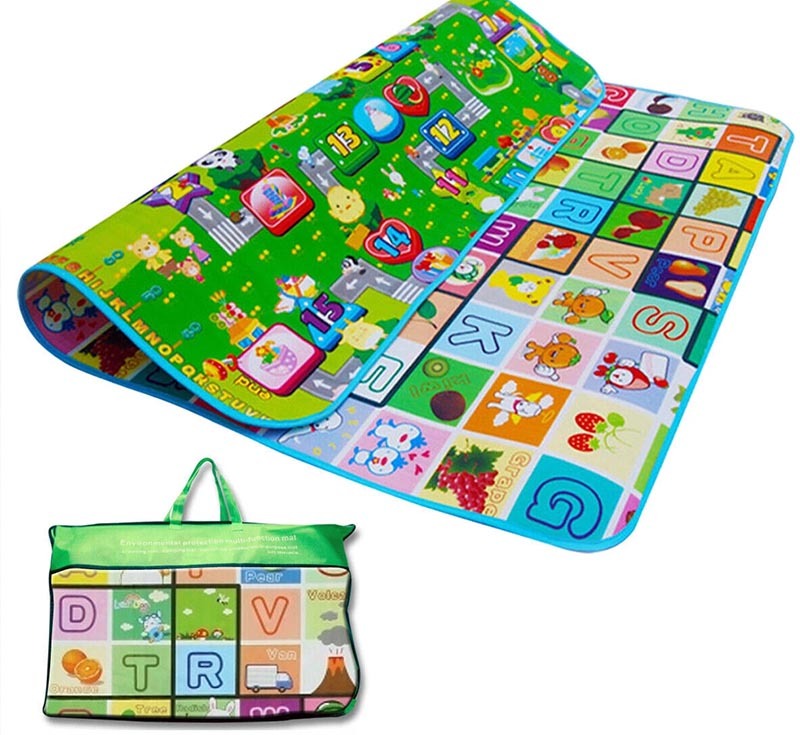
An EPE beach mat provides a clear example of a layered product. WEITIAN PACKING uses a printed PE surface film, an EPE foam middle layer and an aluminized backing in this construction. Its picnic EPE playmat with carry bag is a relevant starting point for discussing the complete outdoor mat rather than foam alone.
The backing should be identified separately in a product discussion. Ask which face is intended to contact the ground and whether the appearance shown belongs to the exact model. An aluminum-colored underside does not, by itself, establish a tested thermal performance or a particular service life.

EPE and XPE as foam cores
EPE and XPE are both polyethylene foams, but their production structures differ. EPE is expanded polyethylene with a non-crosslinked structure. XPE is chemically crosslinked polyethylene foam. Those terms are useful for identifying a construction; they should not be treated as complete quality grades.
EPE for a lightweight layered mat
EPE is used in the middle of WEITIAN PACKING’s beach mat construction. The outer films form the visible faces, while the foam contributes a soft, flexible layer between them. The finished format is portable and intended for outdoor picnic or beach use.
The sample review should focus on that finished combination. Handle the mat, inspect the edges and try its normal packing method. If two EPE samples feel different, ask about their full construction instead of assuming the shared material name guarantees the same result.
XPE for a folding outdoor format
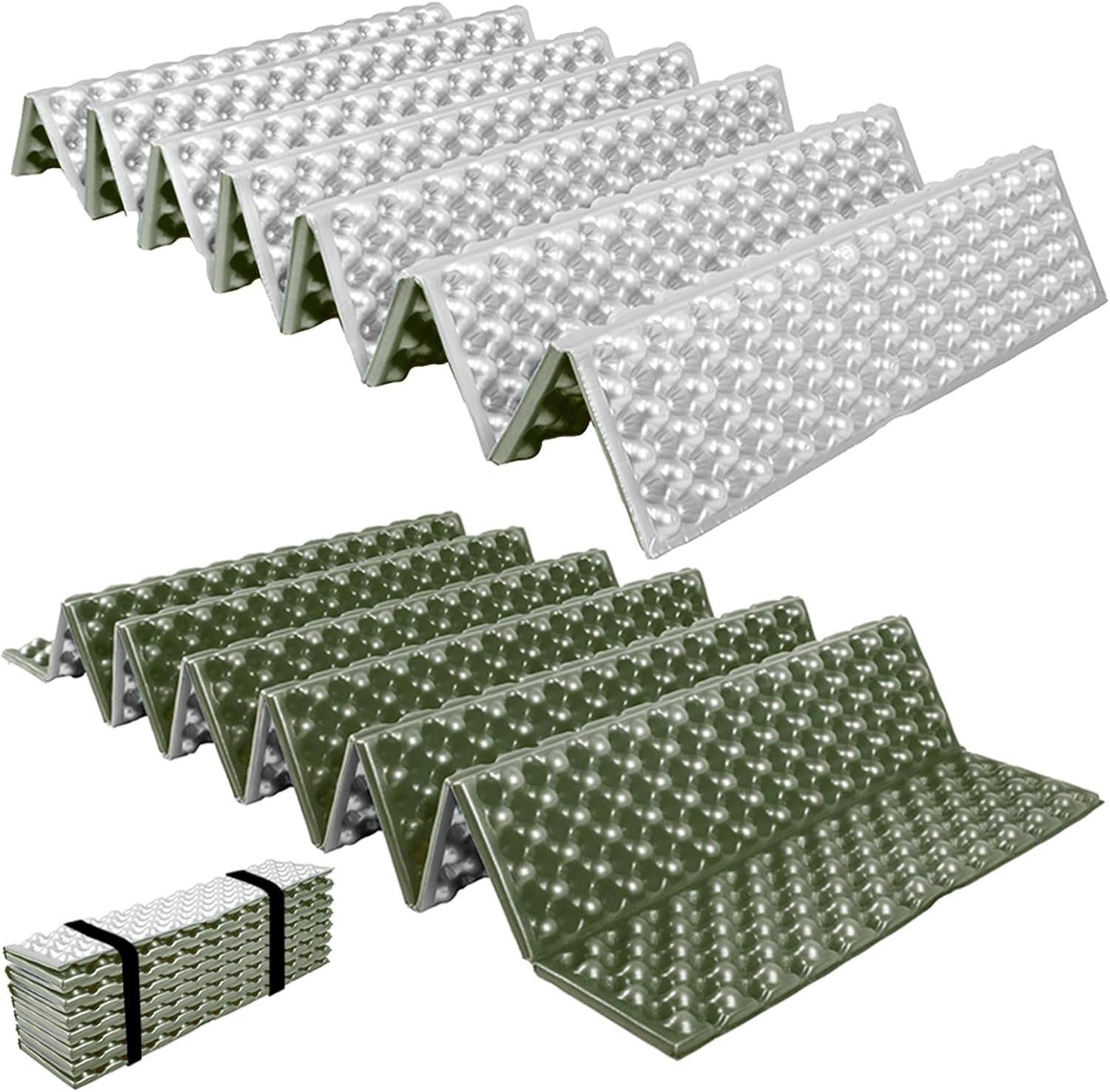
XPE is used in WEITIAN PACKING’s folding mat range, with PE film surfaces and printed layers. These mats can serve outdoor picnic use as well as indoor floor activities. The format allows the mat to fold along its designed sections for storage.
Ein outdoor XPE foam play mat gives a distributor another construction to compare. Assess the fold areas and the open surface together. A preference for a folding package should not replace a review of how the mat feels when it is fully spread out.
The better choice depends on the intended range. A distributor selling a light beach accessory may have a different priority from one building a reusable family picnic assortment. Compare actual samples under the same conditions, with their dimensions and construction clearly identified.
What a waterproof surface does and does not tell you
A water-resistant material claim needs to be connected to the finished surface. The PE film used on these foam mats provides a wipe-clean face, and the picnic products are offered with waterproof surface features. That still leaves practical questions about the edges, damage and normal care.
An intact surface should be reviewed alongside its vulnerable areas. Inspect the edges and fold lines, and ask how the manufacturer defines the water claim for that exact mat. Avoid turning a surface feature into a promise that the whole product can be soaked or left outdoors indefinitely.
Cleaning guidance should remain specific. WEITIAN PACKING’s picnic mat care includes wiping food and drink marks with a soft damp cloth. If a retailer wants to recommend detergents, machine washing or another method, obtain product-specific confirmation first.
Waterproof wording also needs a clear use context. A picnic surface for sitting on damp ground is not automatically a sleeping pad with a known insulation rating. Keep those functions separate when writing an outdoor assortment description or answering questions from a camping retailer.

Comparing samples layer by layer
The most useful comparison gives each material a role. Ask the supplier to identify the surface, core and underside of each sample, then place the products side by side. This makes a difference in feel easier to discuss without relying on a vague “premium” label.
| Part of the mat | Relevant construction | Question for the sample review |
| Upper face | Printed PE film on the specified models | How does it feel and wipe clean? |
| Foam core | EPE or XPE, depending on the product | Does the finished mat provide the intended feel? |
| Underside | Aluminized backing on the EPE beach model | Which face contacts the ground? |
| Fold areas | Designed folds on the XPE folding range | Does it pack as intended? |
| Edges | Finished perimeter of the selected mat | Are the layers and finish consistent? |
The comparison should use an ordinary, repeatable routine. Spread out each mat, handle the edges, wipe a small surface area as instructed and pack it away. Record observations against the sample name so a later discussion refers to the same construction.
Useful observations include:
1.Surface feel when the mat is open.
2.The appearance of edges and fold areas.
3.The packing movement and finished package.
4.The supplied care instructions for each model.
This routine is a practical comparison, not a laboratory test. It can help a buyer choose which construction deserves further evaluation, but it cannot establish chemical compliance, a thermal rating or a guaranteed lifespan. Those claims require their own applicable evidence.
Matching the material to the outdoor assortment
The product description should connect the construction to a recognizable occasion. For a beach-oriented range, explain the layered backing and portable format. For a family picnic range, show the open area, surface and packing method. Avoid repeating the same feature list across unlike products.
WEITIAN PACKING’s foldable foam picnic mat belongs in that discussion as a finished item. Review its actual dimensions, construction and presentation alongside the other shortlisted sample. Let the sample settle questions that a material abbreviation cannot answer.
A material choice that is easy to explain
Choose the complete mat by examining each layer and its purpose. EPE and XPE identify different foam structures, while films, backing and format shape the finished experience. The next step is a side-by-side sample comparison focused on the outdoor use your range needs to serve.
For help comparing the available WEITIAN PACKING picnic constructions, Kontaktieren Sie uns with the intended use and the material details you need clarified.
FAQ (häufig gestellte Fragen)
What materials are used in foam picnic mats?
The relevant options include EPE or XPE foam with surface layers suited to the model. WEITIAN PACKING’s EPE beach construction uses printed PE film and an aluminized underside.
Is XPE always better than EPE?
There is no useful universal answer for an assortment. Compare the finished samples against the intended use, feel and packing needs. The foam name alone does not describe every layer or the final product.
Does a foil backing prove a mat is warm enough for camping?
No. Its appearance does not establish a tested insulation value. Do not present a picnic mat as a temperature-rated sleeping pad without evidence specific to that product and use.
Can a waterproof picnic mat be machine washed?
Do not infer that from the word waterproof. Follow the product’s care instructions. The relevant picnic mat guidance includes wiping with a soft damp cloth, rather than a blanket machine-washing recommendation.
What should wholesalers compare first?
Identify the upper face, core and underside, then handle complete samples. Compare the open feel, edges, fold areas and packing method before choosing the construction for the range.

Unsere Produkte
Unsere Produkte
Zusammengeklappte Maße: 22"*5"*5,5"; geöffnete Maße: 72"*22"*0,71" Gewicht: 0,4 kg.
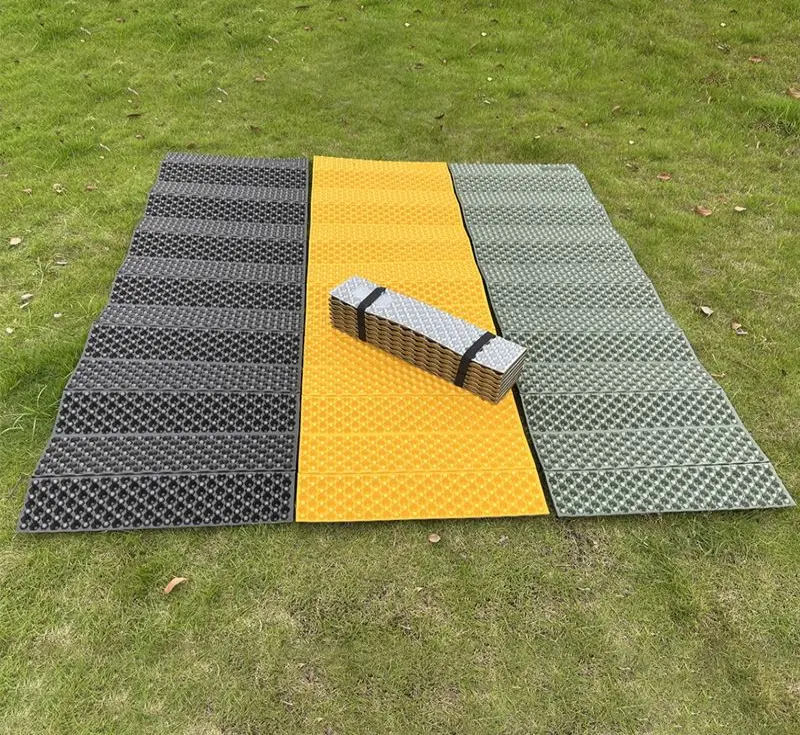
【Hochwertiges Material】Diese tragbare Isomatte besteht aus leichtem IXPE-Schaumstoff und bietet hohen Liegekomfort. Der geschlossenzellige Schaumstoff stützt ergonomisch alle Druckpunkte und sorgt so für optimalen Halt und Komfort die ganze Nacht hindurch, egal in welcher Schlafposition Sie sich befinden.
【Anwendungsbereich】Diese feuchtigkeitsbeständige Matte schützt Ihren Körper vor Nässe bei längeren Campingausflügen im Freien. Sie kann als Sitzunterlage, in Hängematten oder Zelten verwendet werden und schützt auch aufblasbare Matratzen.


unsere Testimonials
Was sie über uns sagen

„Super geduldig während der Kommunikation – effizient und professionell. Diese Zusammenarbeit war so problemlos!”

„Sowohl Qualität als auch Service übertrafen die Erwartungen. Die Details sind auf dem Punkt – ich werde es Freunden auf jeden Fall empfehlen!“

„Genau pünktlich geliefert, und das Produkt passte zu jedem Detail, das wir besprochen haben. Vollständig zufrieden!”