
Ресурсы
Свяжитесь с намиБезопасные игровые пространства для малышей: что следует учитывать
-
 автор
автор
- 25 Август 2026


Infants spend a large portion of their early playtime down on the floor. They constantly roll, crawl, sit, push up, and discover things using their hands, knees, and mouths. A carefully chosen baby playmat cannot replace active supervision. Still, it definitely helps establish a cleaner, softer, and highly practical play zone for everyday use.
What Makes a Baby Play Space Safer?
A safer infant play area begins with the entire room, rather than just the mat itself. Shoppers must look at the flooring type, nearby furniture, toy dimensions, clear walking paths, and the regular cleaning routine. They also need to see how the mat holds up after constant use. A soft surface provides great benefits. However, loose edges, curling corners, removable parts, or weak surface durability will quickly introduce new problems.
For regular home users, the primary goal is generally physical comfort and simple cleaning. For nurseries, daycare centers, distributors, and baby product retailers, the demands are much broader. The mat must handle constant use and maintain steady quality. It also needs market-specific testing, clear packaging, and a reliable supply chain. A smart buying choice always connects the product design directly with the actual use environment.
The Role of a Baby Foam Play Mat
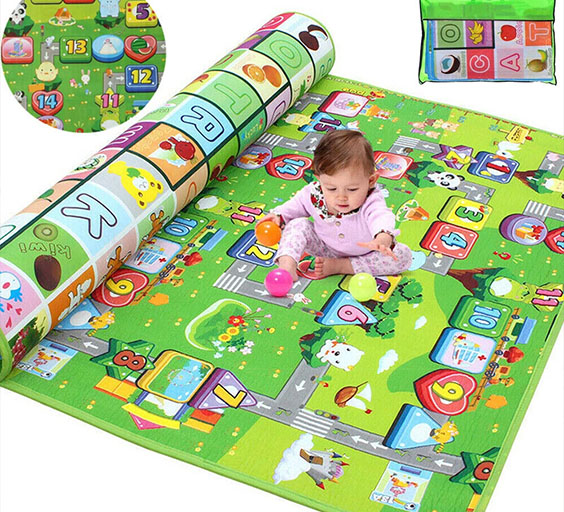
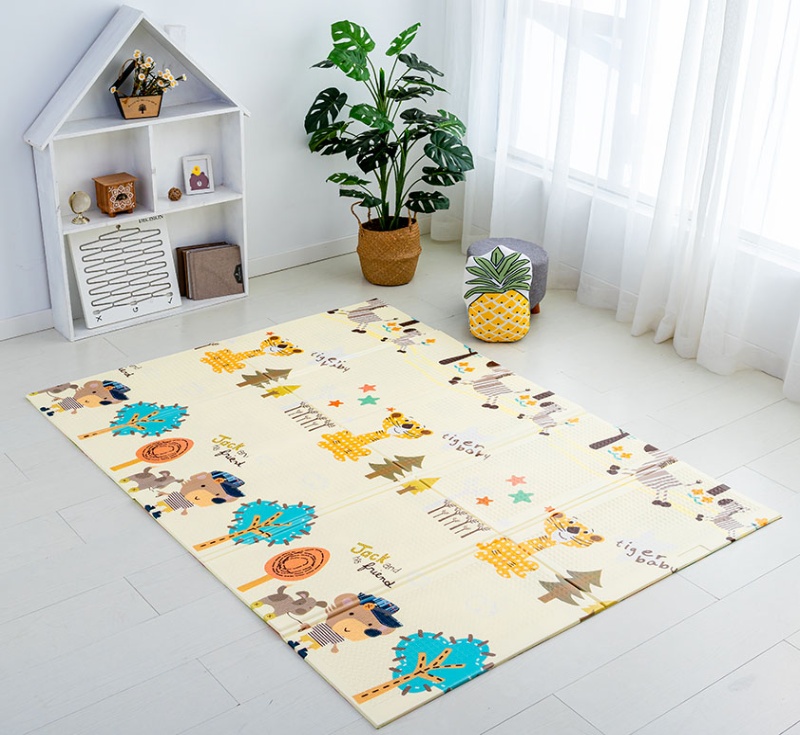
А baby foam play mat sets up a clear floor zone for tummy time, crawling, sitting, toy play, and parent-child bonding. It successfully reduces direct contact with cold or hard floors. Furthermore, it gives infants a much more comfortable surface for their early movements.
The top layer needs to be soft enough for routine play. At the same time, it must stay firm enough to support balance and basic body movement. A mat that feels excessively spongy might fail to give steady support when a little one starts to push up, crawl, or stand with assistance. A quality soft foam playmat must effectively blend cushioning, flatness, and overall surface stability.
A play mat must never be sold as fall protection gear. It certainly makes floor play much more pleasant. However, it absolutely cannot remove the strict requirement for adult supervision or proper room planning.

Choosing Materials Parents Can Trust
Selecting the right material remains one of the most critical steps in baby mat sourcing. Standard foam play mats might utilize XPE, EPE, or EVA based on the specific product type and target market. For infant goods, buyers must verify the exact material structure, surface film, total thickness, and odor control. They also need to check the applicable test reports before finalizing any bulk orders.
An XPE baby play mat is extremely popular because XPE foam stays very lightweight and highly resilient. This makes it perfect for foldable or rollable designs. It also pairs wonderfully with printed surfaces and everyday wipe-clean tasks. For wholesale and OEM projects, XPE easily supports various sizes, colorful patterns, and diverse packaging formats. Meanwhile, it keeps the final product highly practical for basic storage and shipping.
Material claims must always be verified against the specific model. A good supplier needs to supply clear specifications and proper testing support for the chosen market.
Comfort, Thickness, and Surface Stability
Comfort relies on much more than mere thickness. Foam density, surface film, overall mat size, bottom texture, and the actual floor type all deeply influence the final user experience. A thicker baby foam play mat might feel notably more comfortable on hard tile or concrete. Conversely, a thinner format could be much easier to fold, ship, and store away.
The mat must remain completely flat after unrolling. Raised edges, curled corners, or loose connection joints will negatively impact usage, especially when infants start to crawl or stand. Surface softness must never sacrifice structural stability.
| Selection Point | Why It Matters | What Buyers Should Check |
| Толщина | Affects comfort and storage | Confirm actual thickness and tolerance |
| Foam structure | Affects resilience and weight | Check XPE, EPE, or EVA by model |
| Surface film | Affects printing and cleaning | Test peeling, wiping, and wear resistance |
| Bottom texture | Affects floor grip | Test on tile, wood, and laminate flooring |
| Format | Affects use and storage | Compare folding, roll, and puzzle options |
Waterproof Performance and Daily Cleaning
А водонепроницаемый игровой коврик should make routine cleaning much simpler. Babies frequently spill drinks, drool, crawl around with sticky hands, and drop small snacks. A wipeable top layer allows parents and childcare staff to wipe away daily dirt quite easily.
However, the term “waterproof” must be understood accurately. In numerous foam mats, the main surface is highly water-resistant or wipeable. Meanwhile, the folds, outer edges, and puzzle joints still demand careful cleaning and thorough drying. If moisture gets trapped inside fold lines or interlocking gaps, it might cause serious hygiene issues over time.
A sensible cleaning routine should involve sweeping away crumbs first. Next, wipe the area with a soft damp cloth. Always use gentle cleaning methods appropriate for the surface, and dry the mat completely before storage. For busy daycares or shared-use spaces, clear cleaning rules must be established prior to purchase.

Slip Resistance and Surface Texture
Slip resistance becomes vital when babies start to push up, crawl, kneel, or stand with solid support. The top layer must offer adequate grip for tiny hands and feet without feeling harsh against delicate skin. The bottom side must also help the mat stay securely in place on standard floors like tile, wood, or laminate.
A soft play mat that slides around during use will quickly become annoying and highly unstable. Buyers must test physical samples under actual conditions. This includes repeated folding, rigorous wiping, and active movement on the specific floor type. A simple visual inspection is never sufficient.
Matching the Mat Format to the Use Case
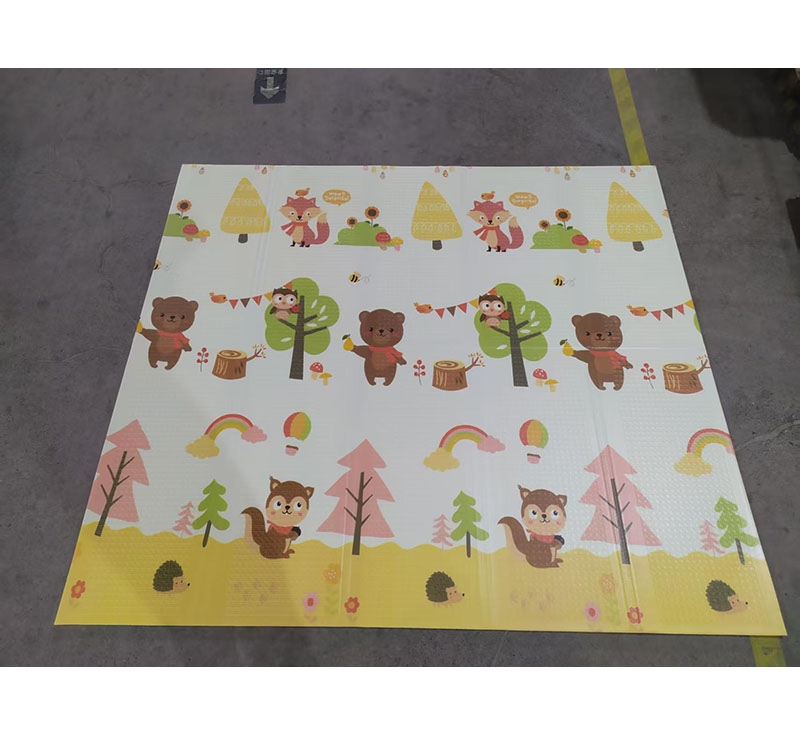
Different play zones require specific mat formats. A roll mat provides extensive coverage with very few joints. This makes it highly suitable for spacious home areas or continuous floor spaces. A foldable baby play mat functions beautifully for families needing fast storage and quick setup. It can be folded neatly after playtime and tucked behind furniture, under a bed, or inside a tight storage closet.
Puzzle mats present highly flexible coverage because individual pieces connect according to the exact room size. They prove very useful for dynamic activity rooms and adjustable play areas. Nevertheless, the joints and edge strips demand much closer inspection and extra cleaning effort.
| Mat Format | Лучший случай использования | Main Buying Concern |
| Ролл мат | Larger continuous floor areas | Curling, storage, surface wear |
| Folding mat | Home play areas and portable use | Fold durability and hinge cleaning |
| Puzzle mat | Flexible layouts | Joint tightness and small detachable pieces |
What Professional Buyers Should Verify
Professional buyers must clearly define the product details before requesting a price quote. A comprehensive request needs to detail the exact size, thickness, foam type, surface film, and printing style. It should also include packaging instructions, order quantity, testing requirements, and the specific target market.
For OEM and large wholesale orders, production consistency matters just as much as the initial sample. Buyers must verify exact color matching, surface durability, and outer carton strength. They also need to check barcode or label specifications, and see if customized dimensions remain available. A dependable supplier must actively support sample review, production communication, quality inspection, and smooth shipment coordination.
Упаковка WEITIAN fully supports customized play mat projects for folding mats, roll mats, and interlocking mat designs. For buyers supplying baby product channels, early education spaces, and regional distributor programs, a precise specification effectively reduces costly mistakes before mass production starts.
Request a Practical Play Mat Quotation
For OEM, wholesale, and private-label play mat projects, WEITIAN PACKING readily supports customized size, material structure, surface pattern, packaging, and detailed shipment discussions. Please share your target market, preferred size, thickness, order quantity, and testing needs through the WEITIAN PACKING website to request dedicated support or an online quotation.
Часто задаваемые вопросы
Is an XPE Baby Play Mat Suitable for Everyday Floor Play?
Yes. An XPE baby play mat can be perfectly suitable for everyday floor play. This is true when the material, thickness, surface film, and test requirements fully match the target market. Buyers must carefully review samples and verify product specifications prior to placing bulk orders.
How Thick Should a Baby Foam Play Mat Be?
The correct thickness heavily relies on the floor type, storage needs, and overall use frequency. A thicker baby foam play mat might feel substantially more comfortable on hard floors. In contrast, a thinner design could be much easier to fold, ship, and securely store.
Is a Waterproof Play Mat Fully Washable?
Not always. A waterproof play mat generally means the top surface can be simply wiped clean. The folds, outer edges, and connection joints might still require very careful drying. Complete washing must only happen when the official product care instructions explicitly permit it.
Is a Foldable Baby Play Mat Better Than a Puzzle Mat?
A foldable baby play mat proves better for rapid storage and highly portable home use. Puzzle mats work much better for highly flexible room coverage. The absolute best choice depends on the room size, child age, regular cleaning routine, and whether small detachable pieces are truly suitable.
When Should a Baby Playmat Be Replaced?
A baby playmat must be replaced when the top surface peels, inner foam gets exposed, or outer edges curl up. It also needs replacing if joints loosen, a bad odor remains after thorough cleaning, or the mat simply fails to lie flat. Physical damage can negatively impact both visual appearance and daily use safety.

Наши продукты
Наши продукты
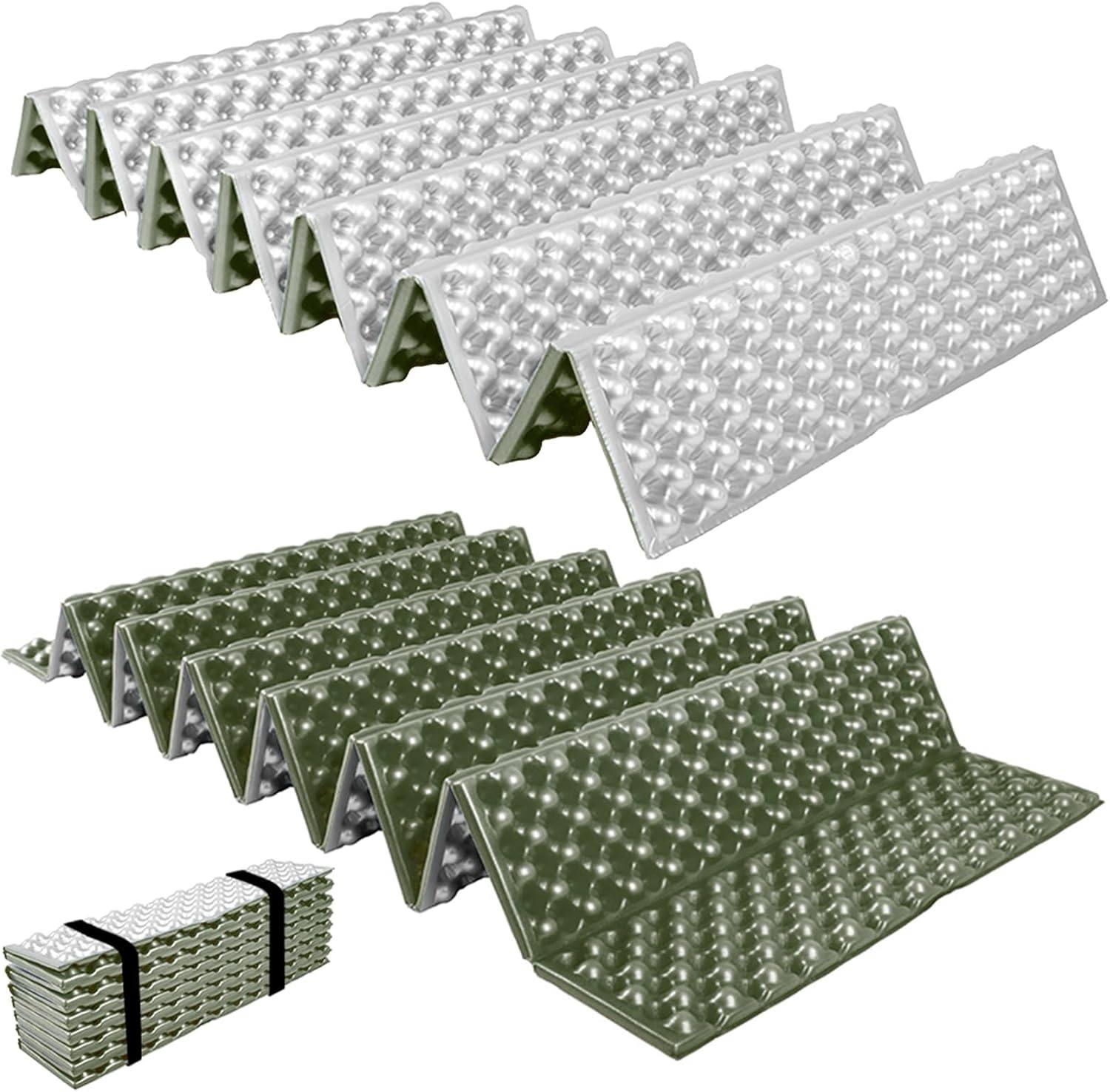
Размеры в сложенном виде: 22"*5"*5,5"; размеры в разложенном виде: 72"*22"*0,71"; вес: 0,4 кг.
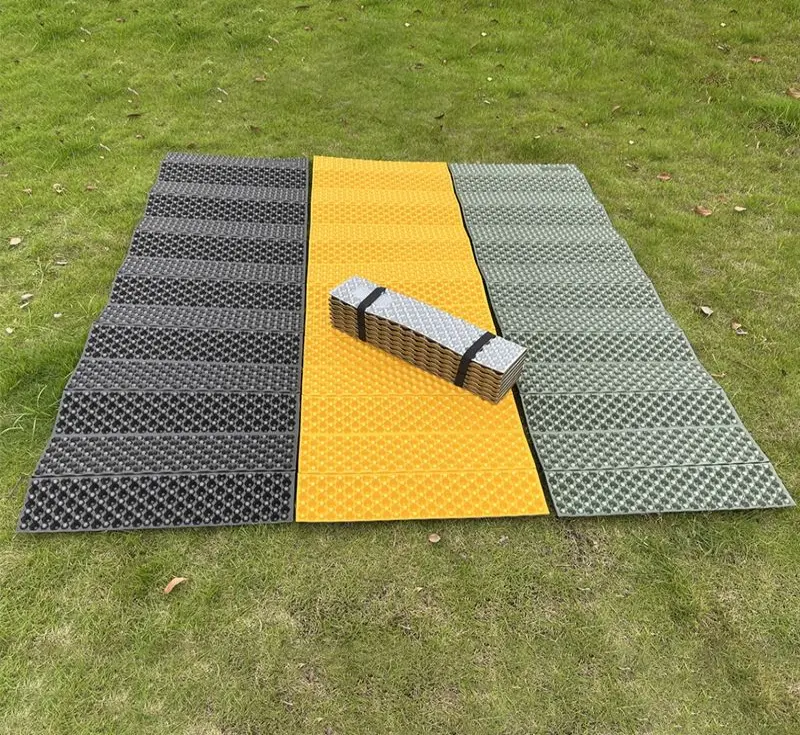
【Превосходный материал】Этот портативный спальный матрас изготовлен из легкого пенополиэтилена IXPE, на котором комфортно спать. Матрас из пенополиэтилена с закрытыми порами эргономично поддерживает все точки давления, обеспечивая превосходную поддержку и комфорт всю ночь, независимо от вашей позы во время сна.
【Применение】Этот влагонепроницаемый коврик защитит ваше тело от влаги во время длительного отдыха на природе. Его можно использовать как сиденье и гамак в палатке, а также для защиты надувных матрасов.

наши отзывы
Что говорят о нас

«Супер-пациент во всем общении — эффективный и профессиональный. Это сотрудничество было таким беспроблемным!»

«Качество и обслуживание превзошли ожидания. Детали точно — я определенно рекомендую его друзьям!»

«Доставлена вовремя, и продукт соответствовал каждой детали, которую мы обсудили. Полностью доволен!»