
Resources
Contact UsCushioned Play Mats for Daycare Safety
-
 author
- 01 October 2026
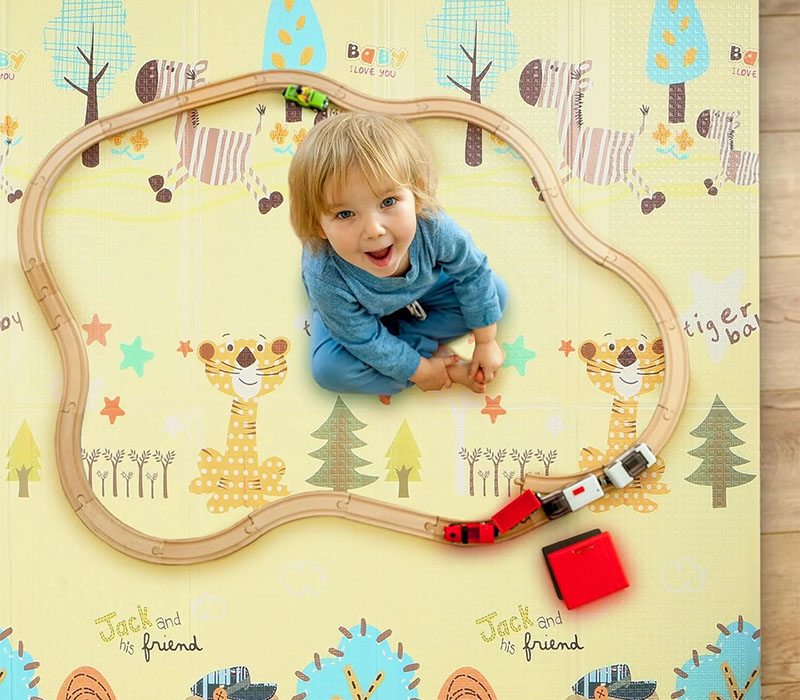
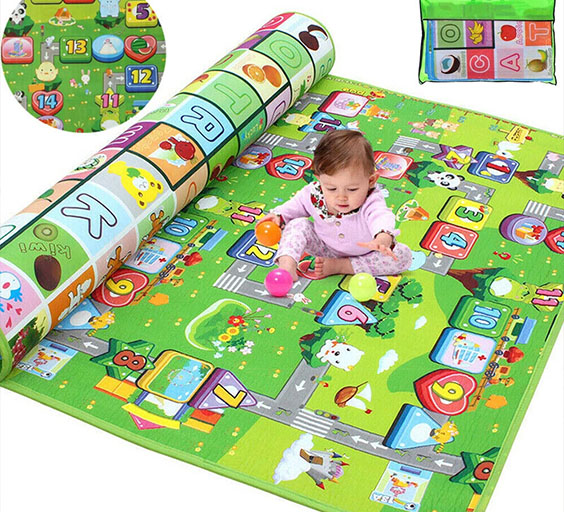
Daycare flooring has to support movement, cleaning, supervision, and repeated daily use at the same time. A cushioned play mat helps create a softer surface for rolling, crawling, sitting, and low-height falls, but the safety result depends on more than foam thickness. The room layout, floor underneath, surface condition, and cleaning routine all matter.
What a daycare mat needs to achieve
A daycare play mat should reduce the harshness of the floor without creating a new trip or hygiene problem. A stable surface gives children room to move, while a wipe-clean waterproof film makes it easier for staff to respond to food, drink, and other everyday mess.
The most useful commercial specification for cushioned play mat surfaces is therefore a complete use description: the age range, indoor floor, activity type, cleaning frequency, room size, and storage routine. A mat that works well in a nursery corner may not be the right choice for a larger early-learning activity area.
Cushioning and floor hardness
Floor hardness should guide the cushioning decision. The available XPE folding-mat range includes 1 cm options for carpet or wood and 1.5 cm options for harder tile or cement surfaces. That distinction gives a daycare buyer a clearer starting point than choosing thickness from appearance alone.
The mat should also lie flat and recover after folding. XPE is valued for elasticity and shape recovery, while the protective film helps keep printed ink away from direct contact and makes the surface easier to wipe.
Traction and movement
A cushioned surface still needs enough grip for ordinary play. Concave and convex textures can support anti-skid performance, but the final result depends on the floor below, mat size, and whether several pieces are joined together.
For larger rooms, daycare play mat configurations may compare one-piece folding mats with interlocking tiles. One-piece formats reduce loose seams and set up quickly. Puzzle formats can cover a planned area and can be separated for storage, but the joins and edge pieces need inspection.
A room manager should also consider how quickly the active area can be cleared. A folding mat that one person can move after cleaning may suit a shared classroom, while a modular floor can make sense when the same footprint stays in use throughout the day. The better choice is the one staff can handle consistently without leaving exposed hard-floor transitions.
The mat should support supervision rather than complicate it. Clear artwork, a stable surface, and predictable edges make it easier for staff to see where children are playing and where equipment begins. These practical details belong in the sample review because they affect daily use even when they are not visible in a product title.

A room-level safety specification
| Decision point | What to confirm | Why it matters |
| Underlying floor | Carpet, wood, tile, or cement | Sets the starting thickness and cushioning need |
| Activity level | Crawling, rolling, sitting, or active play | Links the mat to the expected impact and movement |
| Room layout | One-piece area or modular coverage | Affects seams, edges, and supervision |
| Cleaning routine | Damp-cloth wipe, drying, and storage | Protects hygiene and product life |
| Storage | Folded, stacked, or left in place | Tests recovery and space efficiency |
A written room specification prevents a common mistake: ordering a product by its name while leaving the actual safety conditions undefined. The same wholesale baby playmats category can include a compact nursery mat, a large classroom surface, or a portable mat for multi-room use.
How materials support daily daycare use
XPE is often selected when a daycare range needs resilience, low odor, waterproofing, and repeated recovery after compression. EPE can be appropriate for a more price-led product, but its lower recovery and flammability considerations should be matched to the exact model and use policy.
A film-covered construction also changes the cleaning conversation. Staff can wipe the surface with a soft damp cloth for ordinary spills, then dry the mat before folding or storing it. Product instructions should still define the approved cleaning method instead of promising unlimited chemical resistance.
WEITIAN PACKING can connect the material discussion to folding and puzzle formats, including different sizes, thicknesses, printed surfaces, and OEM or ODM requirements. That is useful when a daycare distributor needs one specification across several room types.

Layout details that affect practical safety
Room coverage should be planned around movement paths rather than only the furniture footprint. A mat that stops directly beside a climbing or rolling area can create a hard transition, while a larger continuous area gives staff more predictable space to supervise.
Edges deserve the same attention as the center. Check whether the selected format has finished borders, whether puzzle pieces lock cleanly, and whether the mat remains flat after repeated setup. Keep cables, shelves, and other obstacles outside the active play area.
A short operating checklist can keep the product decision practical:
- Confirm the floor type before fixing thickness.
- Inspect seams, edges, and flatness after sample setup.
- Match cleaning instructions to the film and printing layers.
- Define folded or stacked storage so the mat is not crushed under heavy items.
Supplier evidence should match the selected model
A daycare buyer should keep the approved sample, model code, dimensions, thickness, material layers, and any test report together. A company-level certification does not automatically prove the performance of every mat, and a claim made for one construction should not be transferred to another.
The supplier conversation about wholesale baby playmats for daycare becomes more efficient when the buyer shares the room type, target age, floor material, coverage area, preferred format, artwork, packing plan, and expected order timing. This gives the factory enough context to recommend a product instead of sending an unrelated catalog choice.
The practical safety takeaway
A daycare mat improves the floor environment when cushioning, traction, cleaning, layout, and storage are considered together. For softer floors, 1 cm XPE can be a reasonable starting point; for tile or cement, 1.5 cm gives more cushioning in the supplied range. The final selection should remain tied to the actual room and approved model.
For a daycare room brief or distributor range, share the floor type, coverage area, and activity level through contact WEITIAN PACKING so the specification can be matched to the intended use.
FAQ
What thickness is suitable for a daycare play mat?
The supplied range indicates 1 cm for carpet or wooden floors and 1.5 cm for tile or cement. Confirm the activity level and exact model before finalizing the order.
Are XPE mats suitable for early learning rooms?
XPE offers softness, elasticity, shape recovery, waterproofing, and low odor in the supplied product evidence. The selected model still needs its own sample and test review.
Are puzzle mats or folding mats better for daycare?
Folding mats set up quickly and reduce loose joins. Puzzle mats can cover a planned area and store in pieces. Choose according to coverage, edges, storage, and cleaning workflow.
How should daycare staff clean a foam play mat?
For ordinary food and drink stains, use a soft damp cloth and dry the surface before storage. Follow the product-specific care instructions for stronger cleaners or repeated disinfection.
What should a daycare distributor request from a supplier?
Request the exact model, dimensions, thickness, materials, sample, test scope, packing details, and current order terms. Keep the evidence tied to that model.

Our Products
Our Products
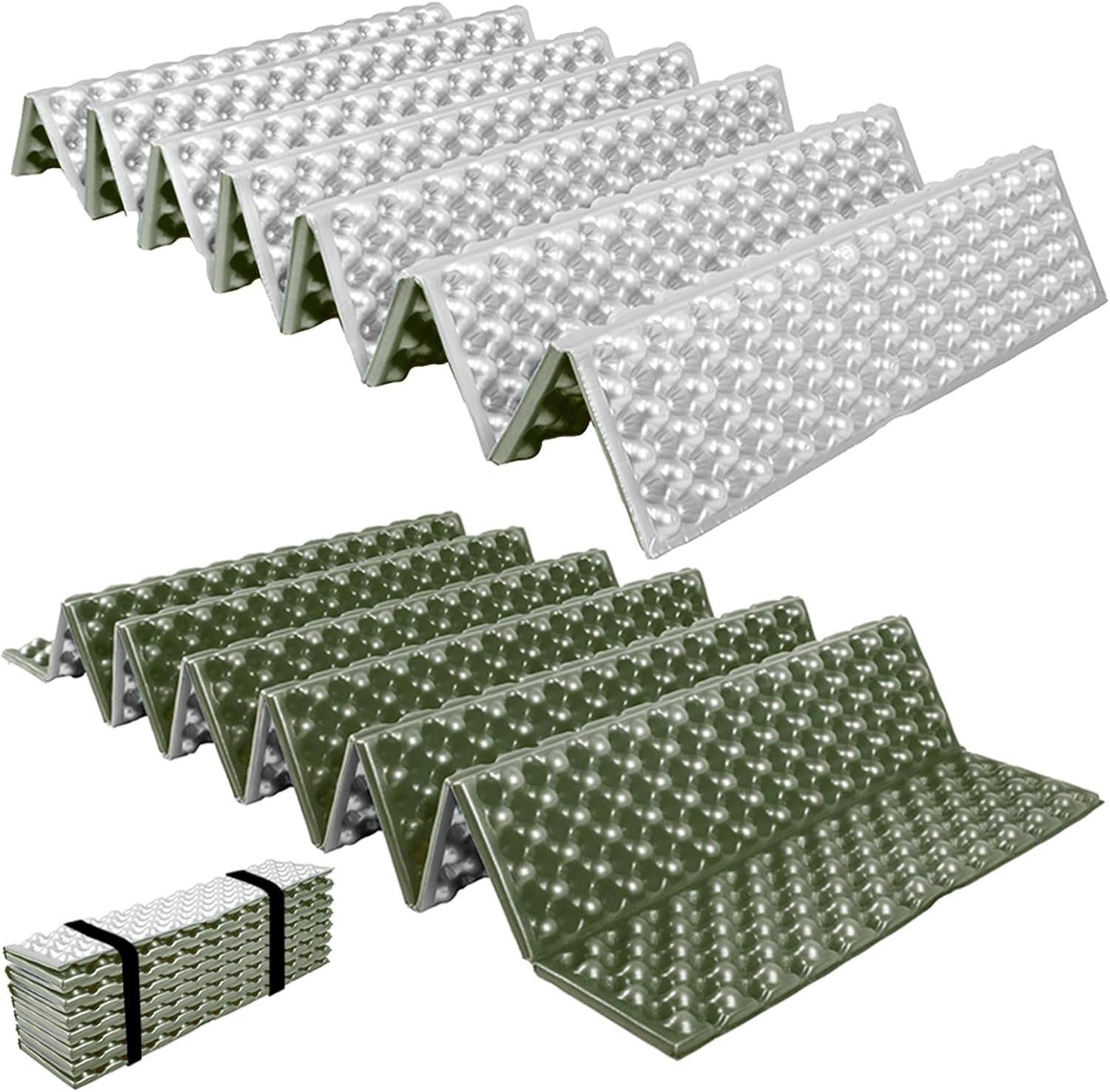
Folding size: 22"*5"*5.5";open size: 72"*22"*0.71" weight:0.4KG.
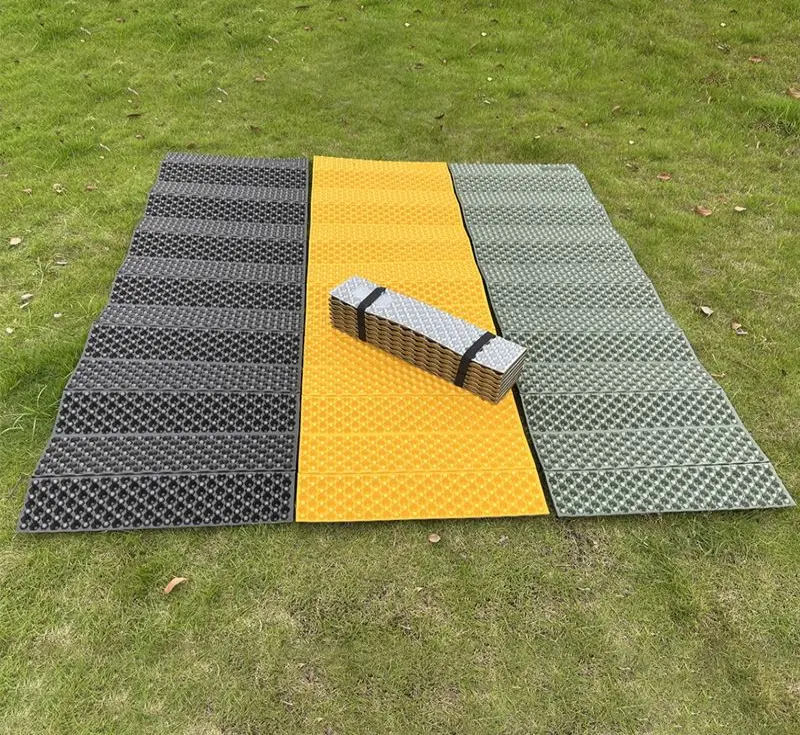
【Great Material】This portable sleeping pad is made of a lightweight IXPE foam that is comfortable to lay on. The closed cell foam sleeping pad ergonomically support all of your pressure points, giving you superior support and comfort all night long, no matter how you sleep.
【Use Occasion】This moisture-proof pad can protect your body from moisture during long outdoor camping, you can use it for a seat and hammock tent, it also can protects inflatable mattress.


our testimonials
What They Say About Our

“Super patient throughout communication—efficient and professional. This collaboration was so hassle-free!”

“Both quality and service exceeded expectations. The details are on point—I’ll definitely recommend it to friends!”

“Delivered right on time, and the product matched every detail we discussed. Totally satisfied!”